
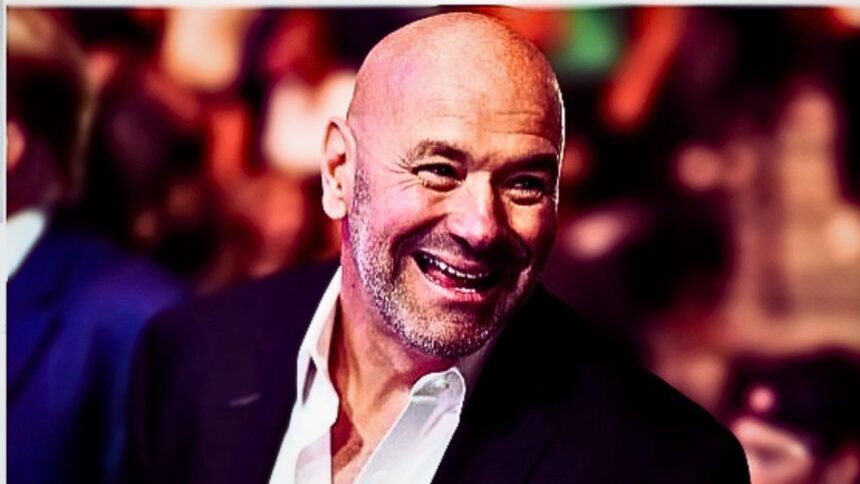
Within the dynamic realm of MMA, UFC President Dana White’s decisions frequently become subjects of intense scrutiny and speculation. The aftermath of Arman Tsarukyan’s remarkable triumph over Charles Oliveira at UFC 300 ignited a wave of questioning directed at White’s strategic choices. Particularly contentious was Tsarukyan’s refusal to face Islam Makhachev, a decision that reverberated through the MMA community, prompting debates about matchmaking and fighter autonomy. The subsequent announcement of a matchup between Makhachev and Dustin Poirier at UFC 302 further fueled discussions about White’s vision for the light weigh division and his handling of potential title contenders. As opinions diverged and theories proliferated, White found himself at the center of a contentious discourse, with fans, fighters, and pundits alike dissecting his decisions in the relentless pursuit of understanding the intricacies shaping the landscape of UFC competition.
Questioning the Decision
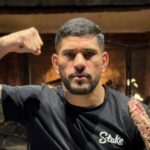
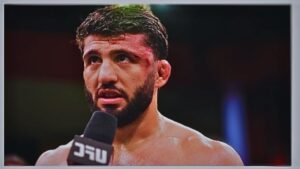
Arman Tsarukyan, affectionately known as ‘Ahalkalakets,’ found himself at the center of attention following his victory at UFC 300. However, rather than reveling in his triumph, Tsarukyan directed his focus towards Dana White’s decision-making process. Despite previously declining a fight against Islam Makhachev for the lightweight title, Tsarukyan voiced his doubts regarding White’s choice to schedule Makhachev against Dustin Poirier on June 1st.
A Valid Reason for Refusal
Tsarukyan’s reluctance to face Makhachev stemmed from a valid reason, yet his decision sparked speculation within the fighting community. To address these doubts, Tsarukyan offered an explanation, shedding light on the circumstances surrounding his refusal to fight Makhachev.
Challenging White’s Decision
In a candid conversation with former British MMA athlete Michael Bisping on the ‘Believe You Me’ show, Tsarukyan questioned the rationale behind White’s decision. Recalling White’s statement about concluding the lightweight division after settling matters with Poirier and potentially Tsarukyan, Bisping sought Tsarukyan’s perspective on the matter.
Tsarukyan’s Response
Tsarukyan’s response echoed a sense of perplexity towards White’s decision-making process. He expressed his belief that White could have made a more judicious choice, suggesting that scheduling Makhachev’s fight in June seemed premature, especially considering Tsarukyan’s status as the number one contender.
TWO HUGE LIGHTWEIGHT FIGHTS JUST ANNOUNCED BY DANA WHITE#UFC299 : Dustin Poirier vs Benoit Saint Denis #UFC300 : Charles Oliveira vs Arman Tsarukyan
THIS IS MASSIVE pic.twitter.com/phr77OIn9F
— Spinnin Backfist (@SpinninBackfist) January 8, 2024
Timing Is Key
The proximity of UFC 302 to the recent success of UFC 300 played a crucial role in Tsarukyan’s assessment. With fighters who competed on April 14th unlikely to be ready for another bout by June 1st, Tsarukyan argued that a later date would have been more suitable for the Makhachev fight.
Adapting to Circumstances
While Tsarukyan expressed a willingness to take on Makhachev under different circumstances, he acknowledged the unpredictability of the MMA landscape. Despite meticulous planning, not every opportunity unfolds according to schedule, forcing fighters to adapt and make decisions in real-time.
Arman Tsarukyan’s perspective sheds light on the complexities of decision-making in the UFC. While Dana White’s strategy may seem puzzling at times, it underscores the dynamic nature of the sport and the need for adaptability. As Tsarukyan continues his journey in the world of MMA, his insights serve as a reminder that success often hinges on seizing the right opportunities at the right time, even in the face of uncertainty.