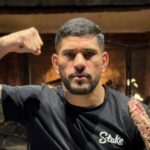

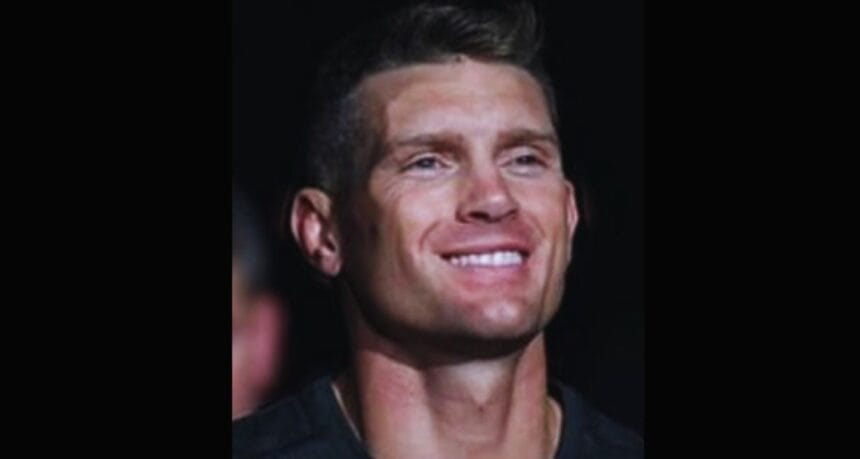
Stephen “Wonder Boy” Thompson, the renowned UFC welterweight contender, remains steadfast in his quest for fair compensation after his opponent, Michel Pereira, failed to make weight at UFC 291. Thompson’s principled stance has sparked a wave of debate in the MMA community, shining a spotlight on fighter pay and the repercussions for missed weight cuts.
Thompson’s decision not to step into the octagon against Pereira when the Brazilian missed weight was a bold one, and it appears he is resolute in his pursuit of what he believes he is owed. While UFC President Dana White initially announced that Thompson would only receive compensation for his camp costs, Thompson’s latest update suggests that negotiations are still ongoing.
In an exclusive interview on “The MMA Hour” with Ariel Helwani, Thompson shed light on the current state of affairs regarding his UFC 291 pay. “Actually yes,” Thompson affirmed. “It is a little slow, but my management is definitely in talks with the UFC, and we are coming up with a number that’s going to fit both parties that we are going to be happy with. So, I am excited… It is not a done deal yet, but we are working on something right now.”
Thompson’s resilience in pursuing a fair resolution is commendable, and it raises questions about fighter compensation and responsibility in the UFC. His call for fellow fighters to follow his example by refusing to compete against opponents who miss weight reflects his dedication to the sport’s integrity.
“I hope that people will take my lead and say, ‘Look, if you are not going to make the weight, then I am not going to fight. I am not going to do it,'” Thompson declared during the interview. He emphasized that there should be more significant consequences for fighters who fail to meet weight requirements, as it ultimately jeopardizes the scheduled bouts and affects the fighters who did their part.
Thompson’s principled stance highlights the ongoing debate surrounding fighter pay in the UFC. As the promotion continues to grow, so do the concerns regarding fair compensation for fighters. Thompson’s willingness to take a stand may inspire others to advocate for their rights in an industry where their physical and financial well-being are at stake.
Stephen Thompson’s dedication to equitable compensation and fighter accountability is a step in the right direction. Fighters need to receive fair compensation for their efforts and sacrifices, and weight-cutting issues need to be addressed to ensure the integrity of the sport. Thompson’s actions could lead to positive changes in the UFC landscape, benefitting fighters and fans alike.
In an industry where fighters often face uncertainty and challenges, Thompson’s determination serves as a reminder that the athletes who step into the octagon deserve not only respect but also fair treatment. As negotiations continue behind the scenes, the MMA community watches with anticipation, wondering if this battle will be a turning point in the ongoing discussion about fighter compensation and accountability.
Stay tuned for further updates on Stephen “Wonder Boy” Thompson’s quest for fairness and equity in the world of UFC, a story that continues to captivate fans and fighters alike.