


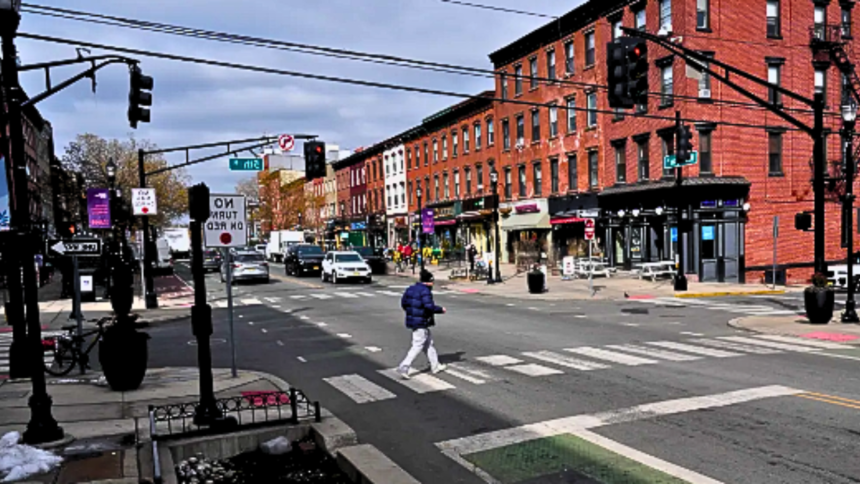
In Hoboken, New Jersey, a city grappling with limited street parking, a remarkable feat has been achieved: not a single traffic-related death in the past seven years. This achievement has positioned Hoboken as a shining example of urban roadway safety on a national scale.
The journey toward this milestone began in 2015, following the tragic death of 89-year-old pedestrian Agnes Accera. Her passing ignited a determination among city leaders, including current Mayor Ravi Bhalla, to prioritize pedestrian safety. This commitment culminated in the adoption of Vision Zero principles, a comprehensive strategy aimed at eliminating traffic fatalities.
Vision Zero, a concept originating from Sweden, has gained traction worldwide, advocating for proactive measures to prevent traffic deaths rather than accepting them as inevitable accidents. Hoboken’s approach includes various initiatives, with the removal of parking spaces near intersections, known as “daylighting,” emerging as a crucial component.
While critics raise concerns about the impact of reduced parking availability on local businesses, proponents argue that the benefits in terms of pedestrian safety far outweigh the inconvenience. The success of Hoboken’s efforts underscores the effectiveness of fundamental measures like daylighting, coupled with ongoing infrastructure improvements.
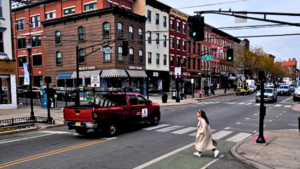
“Safer Streets: How One New Jersey City Reduced Traffic Deaths for 7 Years”
Beyond Hoboken, cities across the United States are increasingly embracing Vision Zero principles, recognizing the urgency of prioritizing road safety. From New York to San Francisco, initiatives aimed at enhancing visibility and reducing traffic-related risks are being implemented.
However, challenges persist, with some communities facing resistance to changes that prioritize safety over convenience. Finding the right balance between pedestrian-friendly infrastructure and practical considerations remains a key aspect of urban planning.
As states like California enact legislation to enforce daylighting and curb parking restrictions, momentum continues to build toward achieving safer streets nationwide. Yet, achieving zero traffic deaths requires a collective commitment from policymakers, urban planners, and residents alike.
In the quest for safer roadways, the lessons learned from cities like Hoboken serve as invaluable guidance, reminding us that with determination and innovation, zero traffic deaths are not just a lofty goal but an attainable reality.
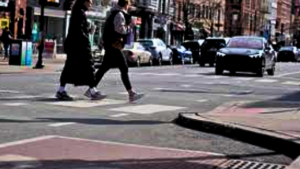
“Safer Streets: How One New Jersey City Reduced Traffic Deaths for 7 Years”