
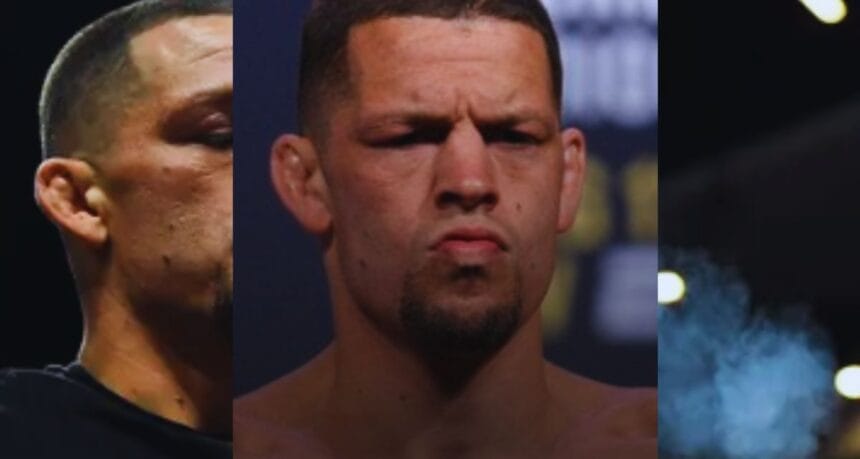
In a shocking turn of events, former UFC lightweight Josh “The Punk” Thomson has thrown a verbal grenade into the mixed martial arts world, alleging that the UFC attempted to hush up a USADA (United States Anti-Doping Agency) drug scandal involving fan-favorite fighter Nate Diaz. The explosive accusations suggest that the UFC may have tried to offer Diaz financial incentives to keep quiet about his positive drug test, raising questions about the organization’s commitment to clean competition.
Thomson’s Bombshell on “Weighing in” Podcast
The controversy erupted when Josh Thomson appeared on his “Weighing In” podcast alongside renowned MMA referee John McCarthy. During the podcast, Thomson dropped a bombshell, claiming that the UFC had tried to bribe Diaz to stay silent about his positive drug test in late 2019. According to Thomson, the UFC allegedly assured Diaz that they would sort out the issue after his scheduled fight at UFC 244, even though he had tested positive for banned substances. Diaz, however, refused to comply, opting for transparency and insisting that the matter be resolved immediately.
Thomson remarked, “Look what they were trying to do with Nate Diaz. He tested positive, and they were like, ‘You know what, we will get it all sorted out after.’ And Nate said, ‘F*** you, we will get it sorted out now.’ That means they knew that Nate tested, and they were still going to let him fight. So I would not say that they have not tried to do that, or would not do it.”
The UFC’s partnership with the USADA, established in the summer of 2015 to ensure drug-free competition, has come under renewed scrutiny in recent years. This controversy resurfaced when former UFC heavyweight Mark Hunt lost a court case against the promotion and his opponent, Brock Lesnar. Lesnar had been granted a special exemption by USADA, allowing him to compete without undergoing the mandatory six-month drug-testing period for inactive or returning fighters. Lesnar later failed his drug tests after defeating Hunt at UFC 200.
Thomson expressed his doubts about the situation, saying, “When I am looking at Lesnar, I mean I am just thinking to myself that this was early in USADA. I don’t know. I don’t want to say that they knew, but I want to say that the history…is that they tried to have Nate still fight, and ‘We will deal with it after.’ I know people in Nate’s camp who said they even tried to offer money. They tried to like, ‘We will take care of it all afterward, no big deal. It is probably just a misunderstanding.'”
A History of Secrets?
This isn’t the first time the UFC has faced accusations of secretive dealings regarding drug testing. In 2012, Vitor Belfort tested positive for banned substances, leading to a controversial therapeutic use exemption (TUE) for testosterone replacement therapy (TRT) issued by the UFC, rather than the Ontario Athletic Commission. Jon Jones, Belfort’s opponent, was reportedly unaware of these changes.
These allegations raise significant questions about the integrity of the UFC’s anti-doping efforts and its commitment to clean competition. While the organization has repeatedly emphasized its partnership with USADA as a testament to its dedication to drug-free sports, controversies like this cast a shadow over those claims. Nate Diaz’s silence on the matter only adds intrigue to this unfolding story.
As the MMA community anxiously awaits Nate Diaz’s response and more details emerge, it remains to be seen whether these allegations will lead to any further investigations or changes in the way the UFC handles doping scandals. The fight for transparency and fairness in the world of mixed martial arts appears to be far from over, leaving fans and fighters alike on edge.