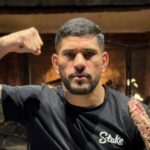


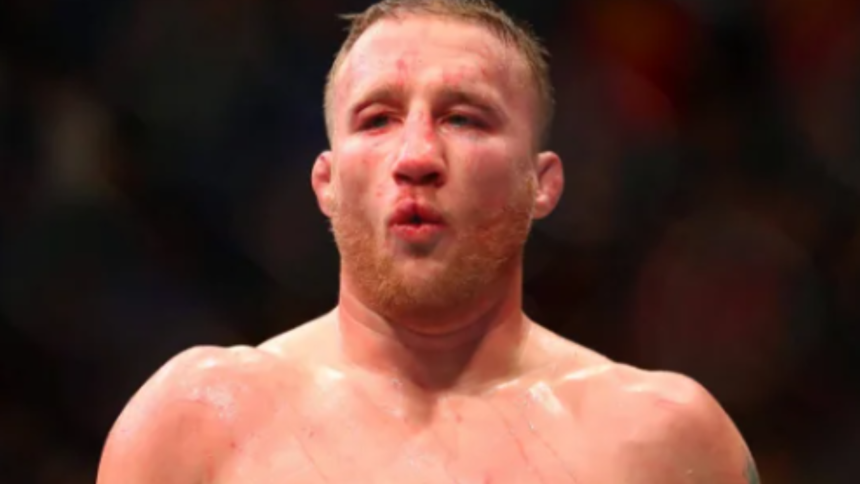
In the aftermath of UFC 300, Justin Gaethje’s decision to prioritize his health and recovery has sparked conversations across the MMA community. Gaethje, who suffered a brutal knockout loss to Max Holloway in the final seconds of their BMF title fight, revealed his intention to take a hiatus from training to focus on self-care. While some may see it as a setback, many, including former bantamweight champion Aljamain Sterling and notable striking coach Rafael Cordeiro, commend Gaethje for his decision to prioritize his long-term well-being.
Gaethje’s commitment to his recovery underscores the inherent risks associated with combat sports, particularly the toll it takes on a fighter’s body and mind. His acknowledgment of the importance of addressing head trauma and allowing sufficient time for healing resonates deeply with athletes and fans alike. In a sport where toughness and resilience are celebrated, Gaethje’s willingness to prioritize his health sets a powerful example for fellow fighters and future generations.
The support from Sterling and fans reflects a growing awareness within the MMA community regarding the significance of athlete safety and well-being. As the sport continues to evolve, conversations surrounding injury prevention and long-term health management become increasingly vital. Gaethje’s decision to prioritize self-care serves as a reminder that success in combat sports extends beyond victories inside the Octagon—it encompasses holistic health and longevity.